What Is the Best Age for Dental Bonding?

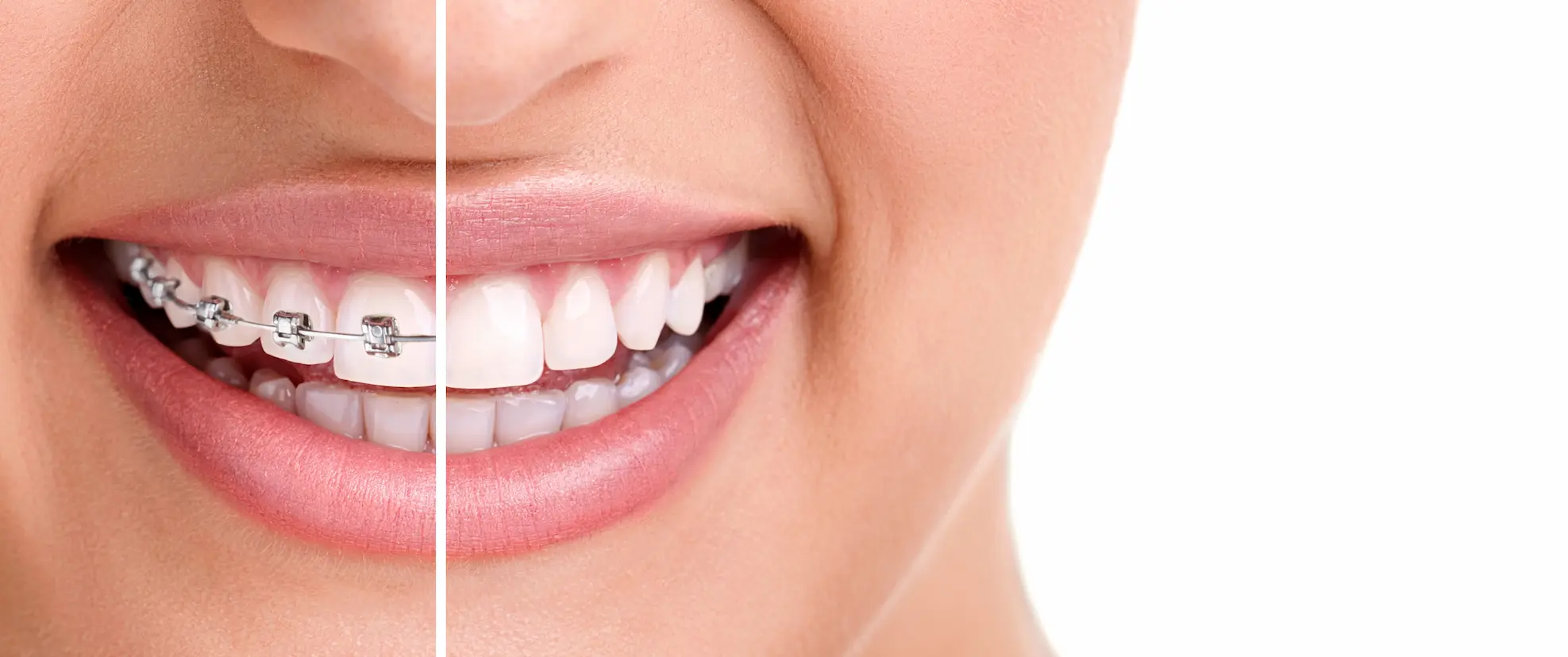

Dental bonding sits in an interesting place in cosmetic and restorative dentistry. It is conservative, relatively affordable, and often surprisingly effective. It can repair a chipped front tooth, close a small gap, reshape uneven edges, cover spots that do not respond to whitening, and even protect a bit of exposed root. Because it is so versatile, patients often ask a deceptively simple question: what is the best age for dental bonding?
The honest answer is that there is no single best age in the abstract. There is, however, a best time for a specific person, based on tooth development, bite, habits, expectations, and the reason bonding is being considered in the first place. A healthy 13-year-old with a chipped incisor after a sports injury may be an excellent candidate. A 22-year-old who wants to smooth out peg laterals may also be an ideal case. A 45-year-old with gum recession and root sensitivity might benefit for completely different reasons. Age matters, but not in the simplistic way people often assume.
What matters more is whether the tooth is ready, whether the bite is stable enough, and whether bonding is the smartest choice compared with alternatives like orthodontics, veneers, enamel reshaping, or simply leaving a harmless imperfection alone.
Why age matters at all
Teeth and jaws do not stop changing the moment permanent teeth erupt. During childhood and adolescence, the mouth is still developing. Teeth continue to erupt into the bite, gum lines change, and the jaws grow at different rates. A restoration placed too early can look perfect for a while, then start to seem too short, too bulky, or slightly mismatched as everything around it shifts.
This is especially true for cosmetic Dental Bonding on the front teeth. A nine-year-old who breaks a front tooth may absolutely need bonding right away. Function, comfort, and appearance all matter, particularly for school-aged children. But a dentist will usually approach that restoration with the understanding that it may need revision as the child grows. The goal at that age is often preservation and practicality rather than a final, lifelong cosmetic result.
Adults, by contrast, usually have more stable tooth position and facial growth. That makes long-term planning easier. The shade match tends to be more predictable, the contours can be refined with greater confidence, and the restoration is less likely to be outgrown in a literal sense.
Even so, “older” does not automatically mean “better.” A person in their sixties who grinds heavily, has worn enamel, and wants large cosmetic changes may not be the best candidate for bonding if the material would be under constant stress. In that situation, age is less relevant than function.
The teenage years often represent the earliest reasonable cosmetic window
If the question is specifically about elective cosmetic bonding rather than emergency repair, the mid to late teenage years are often the earliest age range where it starts to make lasting sense. Many dentists become more comfortable doing planned esthetic bonding once most permanent teeth are fully erupted and the visible changes in gum position and tooth eruption have settled down.
For many patients, that means somewhere around ages 14 to 18, though it varies. A mature 15-year-old with fully erupted front teeth and a stable bite may be a perfectly appropriate candidate for minor bonding to correct shape or close a very small gap. Another teen of the same age may still be actively changing, making it wiser to wait.
This is where nuance matters. Parents sometimes come in wanting a “perfect smile” for a teenager before a milestone event, often a graduation or family wedding. Sometimes bonding is the right solution. Sometimes it is being used to solve the wrong problem. If the real issue is crowding, a bite discrepancy, or spacing that may shift, orthodontic treatment may be the more durable route. Bonding can make teeth look straighter, but it cannot move roots or correct how the teeth meet.
A common example is a teenager with small spaces between the upper front teeth. Closing those gaps with composite bonding can look lovely when the spacing is minor and the tooth proportions still remain natural. But if the spaces are wider, or if the teeth are already broad, simply adding material can create bulky shapes that look off even if the patient cannot immediately explain why. In those cases, the best age for bonding may actually be after orthodontics, not before it.
Childhood bonding is often about repair, not permanent cosmetics
Children absolutely receive dental bonding. In fact, some of the most grateful pediatric cases involve quick composite repairs after a fall, scooter accident, or sports injury. A fractured front tooth on a child can be emotionally upsetting in a way that adults sometimes underestimate. A same-day repair can restore confidence fast.
Still, childhood bonding should usually be viewed as provisional or semi-definitive. The material may chip as the bite develops. The shade may change relative to the neighboring tooth as the child grows. If the fracture involved a large area, the dentist may intentionally choose a conservative build-up that protects the tooth without overcommitting to a final contour too early.
There are also situations where a younger child might get bonding to manage developmental enamel defects or to smooth a rough area that traps plaque or irritates the tongue. Again, the aim is useful treatment at the right stage, not necessarily the last treatment that tooth will ever need.
A practical way to think about it is this: for children, Dental Bonding is often a valuable bridge. For adults, it is more often part of a longer-term plan.
The twenties and thirties are often the sweet spot
If someone asked me for the age range where cosmetic bonding most often delivers the cleanest balance of longevity, aesthetics, and predictability, I would point to the twenties and thirties. At that stage, teeth and gums are usually stable, patients can articulate what bothers them, and the enamel is often in good enough condition to bond reliably.
This tends to be the period when people notice smile details more acutely. They may have a small chip from years ago, undersized lateral incisors, a tiny gap that shows more in photos than in the mirror, or uneven edges that have always bothered them. Bonding shines in these scenarios because it preserves natural tooth structure. Unlike veneers, it usually requires little to no drilling when done conservatively.
That conservative nature is one of its biggest strengths. For a 27-year-old with healthy teeth and a minor cosmetic concern, jumping straight to porcelain can be excessive. Composite can often solve the issue with less cost, less removal of enamel, and easier future modification.
That does not mean it lasts forever. Bonding can stain, dull, chip, or wear, especially at the edges. But in the right case, with the right habits, it can serve beautifully for several years and often longer before needing polish, touch-up, or replacement.
Later adulthood can be a very good time, with a few extra considerations
People in their forties, fifties, and beyond are sometimes told, directly or indirectly, that cosmetic dentistry is mainly for younger adults. That is simply not true. Some of the most satisfying bonding cases involve adults who want subtle refinement rather than dramatic change.
A person in midlife may want to restore worn incisal edges, soften the look of small chips accumulated over time, cover root exposure from recession, or mask discoloration that whitening will not fix. Bonding can be a thoughtful choice here because it can improve appearance while remaining relatively gentle on the tooth.
The caveat is that older adults are more likely to bring other variables into the picture. Bite wear, clenching, older fillings, gum recession, dry mouth from medications, and previous dental work can all affect whether bonding will hold up. A beautifully placed edge bond on a person who grinds at night may fail repeatedly unless the underlying force issue is addressed.
In that age group, the best age for Dental Bonding is less about chronology and more about readiness. If the mouth is healthy, the habits are controlled, and the patient understands maintenance, bonding can work very well.
The real decision points dentists look at
When a dentist recommends bonding or advises waiting, age is only one factor among several. These usually carry more weight than the birthday itself:
- tooth development and eruption status
- bite stability and grinding habits
- the size and location of the correction
- oral hygiene and cavity risk
- the patient’s expectations about lifespan and maintenance
Each of those can change the recommendation dramatically. A small chip on a 16-year-old with an otherwise stable bite may be easier to treat successfully than a large cosmetic redesign on a 35-year-old who bites edge to edge and chews ice every day.
That is why “best age” is often shorthand for “best conditions.”
When waiting is smarter than treating right away
Bonding feels simple, and often it is, but not every imperfection needs immediate correction. Sometimes the best professional advice is to wait.
A younger teen may still be in orthodontic treatment or about to start. Bonding before the teeth are moved can create inefficiency and extra cost, since the contours may need to be altered again later. A child with a recently erupted front tooth may benefit from monitoring before making cosmetic changes that could soon need revision. An adult with active gum inflammation or a high cavity rate may need health issues stabilized first.
There is also the question of emotional timing. Some patients want bonding in response to a flaw they have become intensely focused on after seeing close-up photos or social media smile makeovers. That concern may be valid, but it still helps to pause and evaluate whether the proposed change will look natural over time. The best bonding is often the kind no one notices. It should harmonize with the face and neighboring teeth, not announce itself.
Dentists who do this work regularly develop a certain restraint. They know that adding composite is easy compared with taking back an overbuilt shape that looked good on a digital mockup but heavy in real life.
Situations where bonding works beautifully at almost any age
There are some problems for which bonding is a reliable tool across a wide age range, assuming the basics are favorable. These include small chips, minor shape irregularities, localized discoloration, and conservative closure of tiny spaces. In those cases, the treatment can be low drama and high value.
One memorable example from practice involves a college student who had carried a small diagonal chip on a front tooth since middle school. It was not painful, and most people barely noticed it, but every photo made her eye go straight to that corner. The repair took less than an hour. The emotional lift was immediate, not because her whole smile changed, but because the thing she had seen for years was simply gone.
A different kind of case involved a man in his fifties with root sensitivity and a visible notch near the gumline. Bonding there was not about cosmetic perfection. It was about sealing exposed root surface, improving comfort, and making the tooth look healthier. Same material, same basic concept, completely different reason.
That range is part of why Dental Bonding remains so useful. It adapts.
When bonding is not the best answer
There are times https://anotepad.com/notes/xgsebdtm when age-related expectations push patients toward bonding even when another option would serve them better. This comes up often with young adults who want a “fast fix” for crowding. Composite can camouflage mild alignment issues, but it cannot replace orthodontics when the problem is fundamentally positional.
It also comes up with older teens and adults who want dramatic color change. Bonding can cover isolated stains, but broad color transformation across the front teeth is often handled more predictably with whitening, veneers, or crowns, depending on the condition of the teeth.
Heavy grinders deserve special mention. If someone habitually clenches, wakes with jaw soreness, or has flat worn edges, bonding on those stress-bearing areas may become a cycle of chip, repair, chip again. Sometimes the right sequence is bite evaluation first, protective night guard second, cosmetic bonding third.
A dentist’s job is not just to say yes to a requested treatment. It is to match the treatment to the biology and the forces at play.
How long bonding lasts, and why age influences that indirectly
Patients often want a simple lifespan estimate. In real life, bonding can last a few years or much longer, depending on location, size, bite forces, diet, and maintenance. Small repairs in low-stress areas can stay intact for many years. Larger edge buildups on a person who bites hard foods with the front teeth may need earlier touch-ups.
Age influences that indirectly through behavior and oral conditions. Teenagers may be more likely to chew pens, bite nails, forget retainers, or skip a night guard. Adults may have coffee, red wine, and years of wear patterns that affect polish retention and stain resistance. Neither age group is automatically better. They simply fail for different reasons.
One practical truth worth stating clearly is that bonding ages in a way natural enamel does not. It can lose luster over time. It may pick up stain at the margins. It may need periodic refinishing. Patients who understand that from the start tend to be happiest, whether they are 17 or 57.
Questions worth asking before deciding
If you are trying to decide whether now is the right time for bonding, a good consultation should answer more than just price and appointment length. It should clarify the biological timing and the long-term plan.
Here are a few useful questions to bring to the appointment:
- are my teeth and bite stable enough to make this last well?
- would orthodontics or whitening solve the problem more appropriately?
- how likely is this bonding to chip or stain in my specific case?
- if I do this now, will it probably need revision soon because of age or growth?
- what maintenance should I realistically expect over the next few years?
Those questions often reveal whether the treatment is being proposed thoughtfully or casually.
The role of expectations, especially for younger patients
Younger patients often have very high visual expectations and very little tolerance for maintenance. That is not a criticism, just a pattern. They want the chip gone, the gap closed, the edges even, and they want it to stay perfect through coffee, whitening toothpaste, sports, and late-night snacking. Sometimes that is realistic. Often it is only partly realistic.
Parents can help by framing bonding for teens as a conservative improvement, not a final masterpiece. It can look excellent, but it may need upkeep. If a 15-year-old receives bonding on a front tooth, there is a decent chance that tooth will be polished, added to, or repaired again later. That does not mean the original treatment failed. It means the mouth kept living.
Adults benefit from the same mindset. Bonding is not fragile when properly placed, but neither is it invincible. Thinking of it as maintenance-friendly rather than maintenance-free leads to better choices.
So, what is the best age for dental bonding?
For emergency repair, there may be no need to wait at all. If a child or teenager chips a tooth, bonding is often the right immediate treatment. For elective cosmetic changes, the best age is usually after the front teeth are fully erupted and the bite is reasonably stable, often in the mid to late teens or adulthood. The twenties and thirties frequently offer the easiest combination of biological stability and conservative cosmetic opportunity. Later adulthood can be just as suitable when the mouth is healthy and the bite forces are managed.
The more useful answer is this: the best age for Dental Bonding is the age at which the tooth, bite, and treatment goals line up.
If the issue is small, the enamel is healthy, the expectations are sensible, and the dentist is planning with restraint, bonding can be an excellent choice at many stages of life. If growth is incomplete, the bite is unstable, or the requested change is too ambitious for composite to handle gracefully, waiting or choosing a different treatment may be smarter.
Good bonding is never just about filling space with tooth-colored material. It is about timing, proportion, force, and judgment. Age matters, but it matters as part of the whole picture, not as the deciding number on its own.
Toothworks of Bakersfield, Dentist and Orthodontist
Address: 1030 H St #1, Bakersfield, CA 93304
Phone number: +16613239421
FAQ About Dental Bonding
How long does dental bonding last?
Dental bonding typically lasts between 3 and 10 years (averaging about 5 to 8 years) before it needs a touch-up or replacement. Its lifespan depends heavily on your daily habits, where the bonding is placed in your mouth, and how well you care for your teeth.
How expensive is bonding a tooth?
Dental bonding typically costs between $100 and $600 per tooth, with a national average of about $431 per tooth.
What are the downsides of dental bonding?
Dental bonding has several drawbacks, including lower durability, a shorter lifespan, and a tendency to stain compared to alternatives like porcelain veneers.