Can You Whiten Bonded Teeth? What to Know
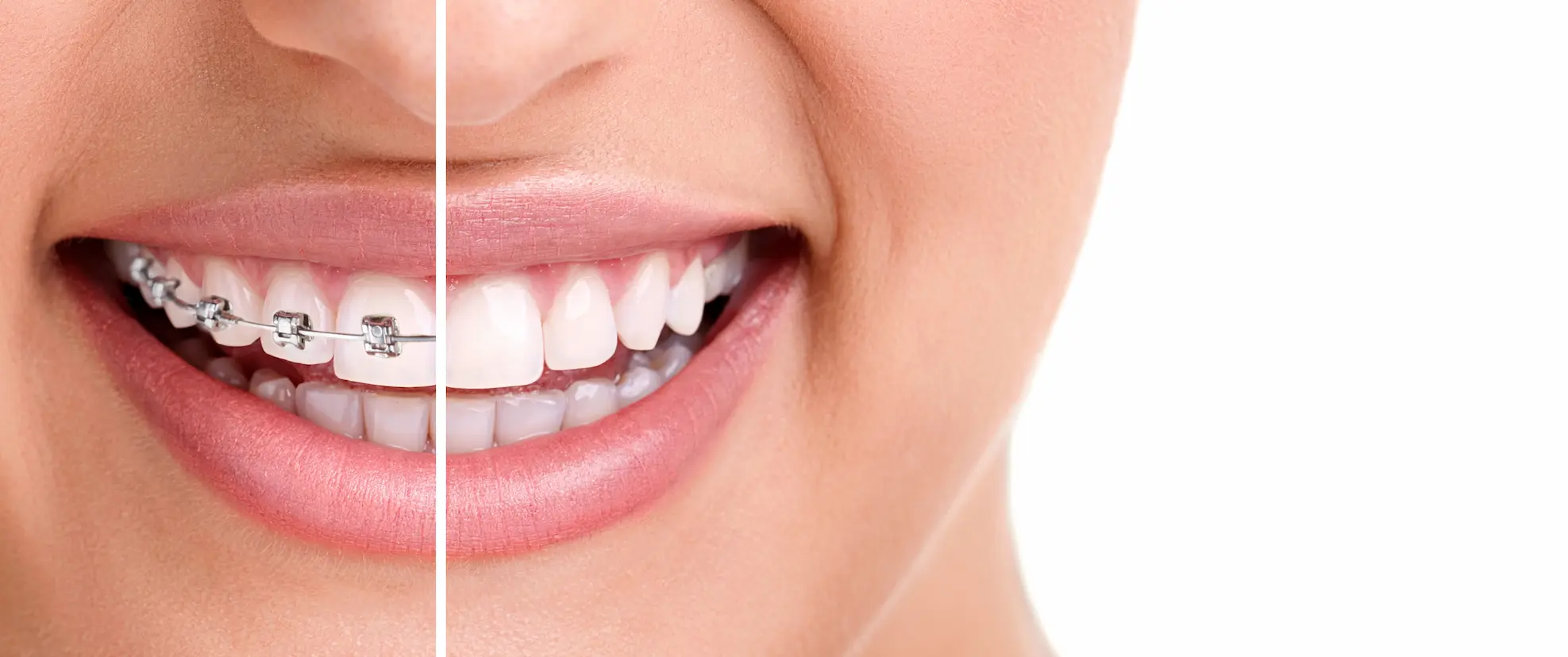
If you have composite bonding on one or more teeth, the short answer is no, not in the same way you can whiten natural enamel. Dental Bonding That is the point that catches many people off guard. They invest in a brighter smile plan, buy whitening strips or schedule professional bleaching, then realize some teeth change while the bonded areas do not. The result can be a patchy look that is more noticeable than the original staining.
This comes up often with front teeth, where even a slight color mismatch is easy to spot in daylight, photos, or under office lighting. A patient may have had Dental Bonding placed years ago to repair a chip, close a small gap, or improve the shape of a tooth. At the time, the shade matched beautifully. Then life happened. Coffee, tea, red wine, smoking, aging, and plain old wear slowly changed the surrounding teeth. The bonding stayed more or less itself, or in some cases picked up surface stains differently. Either way, the smile no longer looks uniform.
The good news is that you are not stuck. But the solution is usually not to whiten the bonding itself. The real answer depends on what kind of discoloration you are seeing, where the bonding is, how old it is, and whether the problem is staining, dullness, or an actual shade mismatch.
Why bonded teeth behave differently
Natural teeth are made of enamel and dentin. Whitening products work by penetrating enamel and breaking down stain molecules within the tooth structure. Composite resin, the material used in most Dental Bonding, does not respond to bleaching agents in that way. It is a restorative material, not living tissue, and its color does not lighten just because peroxide touches it.
That distinction matters. When someone says, “My bonded tooth won’t whiten,” they are usually seeing one of two things. Either the bonding has remained the same shade while the natural teeth around it changed, or the bonding has developed surface discoloration that whitening gel cannot remove.
Composite resin can also lose some of its polish over time. Once that smooth surface wears down, the material may catch stains more readily. It may look darker, flatter, or more yellow, even if the internal shade has not truly changed much. In practice, that means a bonded tooth can look discolored for several different reasons, and the fix depends on which one you are dealing with.
The most important thing to know before whitening
If you have bonding and want a whiter smile, whiten your natural teeth first, then evaluate the bonding afterward. That is usually the smartest sequence.
Here is why. Bleaching can lighten enamel, but it will not lighten the resin. So if you replace your bonding before whitening, your dentist will match it to your current tooth shade. Once you whiten later, the bonded area may suddenly look too dark compared with the rest of the tooth. Then you are paying to redo work that might have been fine if you had timed it differently.
Dentists see this all the time with one front incisor that was bonded after trauma or with several small bonded edges placed for cosmetic refinement. Patients assume all visible tooth structure will whiten together. It rarely works that way. The bonded portion becomes the holdout.
A better plan is often to whiten first, allow the color to stabilize, then have the bonding polished, repaired, or replaced to match the new shade if needed. That sequence saves frustration and usually gives the most natural result.
Can stained bonding be cleaned at all?
Sometimes yes, but “cleaned” and “whitened” are not the same thing.
Surface stains on composite bonding can often be improved with a professional cleaning and polishing. If the discoloration is mainly from coffee, tea, tobacco, or dark foods clinging to a roughened surface, a hygienist or dentist may be able to remove a surprising amount. This is especially true when the bonding is still structurally sound and the color mismatch is mild.
What does not work well is trying to bleach away intrinsic discoloration inside the resin, or expecting over the counter whitening strips to reverse years of wear. Those products are designed for enamel. On bonded areas, they may do little beyond cleaning the surface a bit.
There is also a practical limit to polishing. Composite can only be resurfaced so much before the restoration needs replacement. If the material is chipped, heavily stained, pitted, or no longer glossy, repeated polishing may not restore the original appearance.
One patient I remember had a small bonded corner on an upper front tooth that looked yellow compared with the rest of her smile. She had tried whitening toothpaste for months and thought the bonding had “absorbed” stains permanently. Under magnification, the issue was a rough surface finish and stain accumulation near the margin. A careful polish improved it enough that she decided not to replace it. Another patient with ten-year-old bonding across both front teeth was not so lucky. The resin had lost luster throughout and looked opaque next to the surrounding enamel. Polishing helped only marginally. Replacement was the better choice.
What whitening products actually do when you have bonding
People often ask whether whitening strips, whitening trays, LED kits, or in-office bleaching are safe if they have Dental Bonding. Generally, these products whiten the natural tooth structure around the bonding, not the bonding itself. Safety depends on the product, the fit of trays if used, the health of your gums, and whether there are exposed root surfaces or leaking margins, but the presence of bonding alone does not automatically rule out whitening.
The larger concern is cosmetic mismatch. Imagine a tooth that is one-third bonding and two-thirds natural enamel, especially on the visible front surface. If you bleach the tooth several shades lighter, the bonded section may now stand out as a rectangle, patch, or edge line. Even when the mismatch is slight, people tend to notice it because front teeth are symmetrical reference points.
This is why whitening can look uneven after previous cosmetic work. Veneers, crowns, and fillings share the same limitation. They do not lighten with bleach. Bonding is just more common in younger patients and in small front-tooth repairs, where shade differences can be especially obvious.
When bonding looks darker after whitening
This is a surprisingly common complaint, and it can happen even if the bonding did not change at all.
Once the neighboring enamel brightens, the eye interprets the bonded resin as darker or more yellow by comparison. It is a contrast effect. Something similar happens when a white shirt makes an off-white one next to it seem dingy. The bonded material may be exactly the same shade it was last year, but after bleaching the surrounding enamel, it no longer blends.
There is also the issue of dehydration immediately after in-office whitening. Teeth can appear extra bright right after treatment, then settle back slightly over the next few days. Good cosmetic planning accounts for that. Dentists usually do not rush to replace front-tooth bonding the same day whitening ends. Waiting a bit allows the final shade to stabilize and gives a more predictable match.
Options if your bonded teeth no longer match
The best fix depends on whether the problem is minor staining, edge wear, or a true color mismatch. Most patients fall into one of a few paths:
- Professional polishing if the bonding is only surface-stained and still otherwise in good condition.
- Whitening of natural teeth first, followed by reassessment once the final shade is clear.
- Repair of a small bonded area if only one portion looks off.
- Full replacement of the bonding if the resin is old, dull, chipped, or clearly mismatched.
- In some cases, considering veneers or another restoration if repeated bonding repairs are no longer giving stable cosmetic results.
That list may sound straightforward, but the judgment call is where experience matters. A tiny bonded chip on the corner of one tooth is very different from broad facial bonding across several front teeth. The more visible the restoration and the larger the surface area, the less forgiving small shade differences become.
How dentists decide whether to polish or replace
Polishing makes sense when the restoration still has good shape, good margins, and a healthy bond to the tooth. If the issue is mainly surface roughness and external stain, a polish can restore smoothness and reflectivity. Sometimes that alone makes the tooth look noticeably brighter because glossy surfaces reflect light more naturally.
Replacement becomes more likely when several things are going on at once. The resin may be stained throughout, the margins may have picked up dark lines, the shape may be slightly bulky, or the material may have chipped and been repaired before. Older bonding can also become more opaque compared with surrounding enamel, which gives a flat, less lifelike appearance. Once that happens, a fresh replacement often looks better than trying to rescue the old restoration.
Shade selection is another reason dentists may favor replacement. Modern composites come in a wide range of shades and translucencies. Matching a tooth is not just about choosing “white” or “A1.” It involves value, opacity, translucency, surface texture, and how the material behaves under different lighting. If a bonded front tooth looks wrong after whitening, it may need a full artistic remake rather than a quick touch-up.
Timing matters more than most people realize
If you are planning both whitening and new bonding, sequence matters. So does patience.
After whitening, the tooth shade can continue to settle for about one to two weeks, sometimes a bit longer depending on the method used. Bonding done immediately after bleaching may not bond quite as predictably if no waiting period is observed, and the final color match can be less reliable. Many dentists prefer to whiten first, then wait long enough for both color stabilization and optimal bonding conditions.
This matters even more for front teeth. A shade mismatch that seems acceptable in the dental chair can look completely different in morning light, in a car mirror, or in photos. The extra week of waiting can be worth it.
There is also a practical lifestyle angle here. If someone whitens aggressively but continues heavy coffee or smoking habits, the natural teeth may relapse faster than expected. Then the new bonding may look too bright instead of too dark. That does not mean whitening failed. It means long-term color maintenance was not part of the plan.
What about whitening toothpaste?
Whitening toothpastes can help remove some surface stain from both natural teeth and bonding, but expectations should stay modest. They do not change the internal color of resin, and some are abrasive enough to be a poor long-term choice for polished composite surfaces. Over time, excessive abrasion can make bonding rougher, which may lead to more stain pickup, not less.
A better question is whether the toothpaste is helping maintain a professional polish or quietly wearing it down. If you have visible bonding on front teeth, it is worth asking your dentist or hygienist what type of toothpaste suits your restorations. Sometimes a less abrasive formula preserves shine better.
Can old bonding turn yellow?
Yes, it can, though “yellow” can mean a few different things. Composite resin can stain externally, absorb some discoloration over time, lose polish and appear duller, or simply stop matching as the natural tooth ages differently. Adhesive margins can also darken, especially if the edges are rough or the bond is beginning to fail microscopically.
This is one reason bonding is often described as conservative and cost-effective, but not always as color-stable as porcelain over the long term. Bonding is excellent for many cosmetic corrections, especially when preserving natural tooth structure matters. It just requires maintenance and occasional refreshment.
A realistic lifespan for cosmetic bonding varies widely. Small repairs may last several years. Larger cosmetic bonding on front teeth may also last many years when well done and well maintained, but they are not permanent in the way patients sometimes imagine. Polishing, repair, or replacement is part of the long game.
Signs you may need replacement rather than whitening
A quick mirror check can be misleading, but there are several clues that whitening alone will not solve the issue.
If the bonded area has a clear border that stands out from the natural tooth, bleaching usually makes that difference more obvious. If the restoration looks matte while surrounding enamel looks shiny, polishing may help, but only if the resin still has good integrity. If the edge is chipped, bulky, catching on floss, or outlined by a dark margin, replacement is more likely. And if the bonding is many years old and the whole smile is changing, a broader cosmetic reassessment may be smarter than chasing one tooth at a time.
Patients often focus on color because it is the most obvious concern, but shape and texture matter just as much. A perfectly white bonded tooth can still look unnatural if the contours are wrong. Good cosmetic dentistry treats the smile as a whole, not just as a shade chart problem.
If you are considering bonding for the first time
This issue is also important for people planning new Dental Bonding and wondering about whitening later. If you know you want a brighter smile, do the whitening before the bonding whenever possible. That gives your dentist a stable, lighter baseline to match.
This simple sequence avoids one of the most common cosmetic frustrations in practice. A person gets bonding that looks great, then months later decides to whiten the rest of the smile. Suddenly the bonding no longer blends. It is not because the dentistry was poor. It is because restorative materials do not respond like enamel.
That does not mean bonding is the wrong treatment. It just means the order of care should support the final aesthetic goal.
Questions worth asking your dentist
Not every discoloration issue needs replacement, and not every bonded tooth should be whitened around aggressively. A useful consultation usually includes a careful look at the age of the bonding, the location, the polish quality, your natural tooth shade, and your whitening goals.
You may want clear answers to a few practical questions:
- Is the discoloration on the surface, within the bonding, or in the natural tooth next to it?
- Would polishing likely improve it, or is replacement more realistic?
- If I whiten first, how many shades of change should I reasonably expect?
- How long should I wait after whitening before replacing front-tooth bonding?
- If several teeth have bonding, do we need to update all of them or only the most visible ones?
Those questions help frame the appointment around outcomes rather than products. They also tend to prevent disappointment later.
The bottom line on whitening bonded teeth
Bonded teeth do not whiten the way natural teeth do. Bleaching can brighten the enamel around them, but the composite resin itself will not lighten predictably, and that often creates a mismatch. In some cases, what looks like discoloration is just surface stain or loss of polish, and a professional cleaning or polish can improve it. In other cases, especially with older or highly visible bonding, replacement is the only reliable way to restore a seamless color match.
The best strategy is usually simple: decide on your whitening goal first, whiten the natural teeth if appropriate, wait for the color to stabilize, then have the bonding polished, repaired, or replaced to match. That sequence is not flashy, but it works. It respects the material, the biology of the tooth, and the reality that a good smile result is rarely about one product alone. It is about timing, material choice, and thoughtful finishing.
For anyone living with front-tooth bonding that no longer blends, the answer is not hopeless, and it is rarely one-size-fits-all. A careful exam can usually tell you very quickly whether you need a polish, a replacement, or just a better plan. That clarity matters, because when color is the concern, guessing tends to make the problem more noticeable, not less.
Toothworks of Bakersfield, Dentist and Orthodontist
Address: 1030 H St #1, Bakersfield, CA 93304
Phone number: +16613239421
FAQ About Dental Bonding
How long does dental bonding last?
Dental bonding typically lasts between 3 and 10 years (averaging about 5 to 8 years) before it needs a touch-up or replacement. Its lifespan depends heavily on your daily habits, where the bonding is placed in your mouth, and how well you care for your teeth.
How expensive is bonding a tooth?
Dental bonding typically costs between $100 and $600 per tooth, with a national average of about $431 per tooth.
What are the downsides of dental bonding?
Dental bonding has several drawbacks, including lower durability, a shorter lifespan, and a tendency to stain compared to alternatives like porcelain veneers.